AI-Native Development · Seattle
AI-Native Development
in Seattle
Agentic tooling as the primary build method. Architecture and review stay human.
We build for founders in Seattle using agentic tools — Claude Code as the primary driver — as the actual engineering method, not a demo trick. The difference from vibe coding: architecture, data model, and security boundaries are decided by a senior engineer, evals run as a CI gate instead of a vibe check, and every commit gets reviewed for the failure modes AI-generated code tends to ship. We're also the team founders call to fix the codebases that skipped this discipline — see Vibe Code Rescue.
Engagement shape
From
$3,000
Flat price, quoted after 30-min call
Timeline
5–10 days
First production deploy
1
Senior engineer, named
Day 1
Code in your GitHub
$0
Retainer, equity, lock-in
How this works
One AI-native engineer.
The output of a team.
One senior engineer plus AI agents now ships ai-native development that used to need a four-person team. Same code quality, half the cost, three-week timelines instead of three months. Built for pre-seed to Series A founders in Seattle who need to ship before the next round closes.
The local read
Why ai-native development is hard in Seattle
Seattle founders have access to deep technical talent that's mostly busy. The candidates who do interview want AWS comp, or are leaving to start their own thing. Either way, your 90-day hiring cycle becomes 180.
Different math: one named senior engineer plus AI agents, Pacific Time, ships in two weeks. Flat-price quote after a 30-minute call. AWS-native by default — Bedrock, Lambda, DynamoDB, S3 — same stack your team already runs. Code in your GitHub from commit one. Walk away clean at the end.
Seattle's startup infrastructure runs through Techstars Seattle (alumni have raised over $1B post-graduation) and Pioneer Square Labs, backed by Madrona Venture Group — the Pacific Northwest's anchor fund, currently investing out of a $300M Fund VII — plus newer entrants like Founders' Co-op and the $50M Fortson VC fund launched in 2025. The talent density backs it up: CBRE's Scoring Tech Talent report ranked Seattle #2 in North America for tech talent two years running, behind only the Bay Area, with the Puget Sound region adding nearly 25,000 tech jobs between 2022 and 2025. AI is pulling its share too — local AI startups alone raised $679M in the first eight months of 2025. None of that changes the math for a seed-stage founder: Amazon and Microsoft set the local salary floor, and neither is going anywhere.
Seattle's 2025-2026 story is really about churn, not just growth: Amazon cut roughly 14,000 corporate jobs in October 2025, then another 16,000 or so about three months later; Microsoft has cut 15,000+ jobs globally since May 2025, including over 3,200 in Washington state alone. That's a lot of senior engineering talent hitting the market at once — talent that trained at places like the University of Washington's Allen School, tied for #7 nationally in graduate CS with average starting salaries around $110K. On the funding side, Madrona runs Create33, a dedicated founder hub a floor below its own office, and Flying Fish Partners writes $500K-$1.5M pre-seed and seed checks exclusively into AI and ML infrastructure. The city isn't short on engineers right now — it's short on companies moving fast enough to hire them before Amazon or Microsoft does again.
Ask what Seattle builds and the honest answer is AI and ML infrastructure and Developer tools — which is exactly the terrain ai-native development work has to hold up in.
Hiring one senior engineer here is a ~$310K year-one outlay and a 60–90 day search. Our ai-native development engagement starts at $3,000 with a first deploy in 5–10 days.
Did you know · Seattle
Amazon employs more people in Seattle than the next nine largest local employers combined.
Time zone
--:--:--
PT
Pacific Time, same window as your team, your customers in Bellevue, and the Big-Tech mafia your investors keep mentioning.
Sectors in Seattle
Stack we use
What you actually get
Concrete deliverables.
Live in 5–10 days.
No discovery phase that bills for itself. No Figma-only delivery. Every item below is something you can open, click, and ship to a user.
Scoped build (feature, internal tool, or MVP slice) shipped via agentic-driven implementation, human-reviewed every commit
Architecture, data model, and auth boundaries decided by the engineer — never delegated to the agent
Evals and automated checks as a CI gate, so AI-authored code can't regress silently
Full commit history — you see what was agent-drafted versus hand-written, not one opaque squash commit
Code review pass specifically hunting the failure modes AI-generated code tends to ship
Why us
Why founders in Seattle pick us for this
01
We're the team founders call when AI-native went wrong (see Vibe Code Rescue) — we know exactly which shortcuts not to take
02
Agentic tooling used transparently, with a senior engineer as the architecture and security backstop, not a rubber stamp
03
Evals and CI gates from day one, not bolted on after the first production incident
04
Same flat-price, your-code-from-commit-one terms as every other engagement — no markup for the tooling
AI-Native Development we've shipped
Founders we shipped ai-native development with
Real founders, real product, real testimonials. The kind of ai-native development work we'd do for you in Seattle.
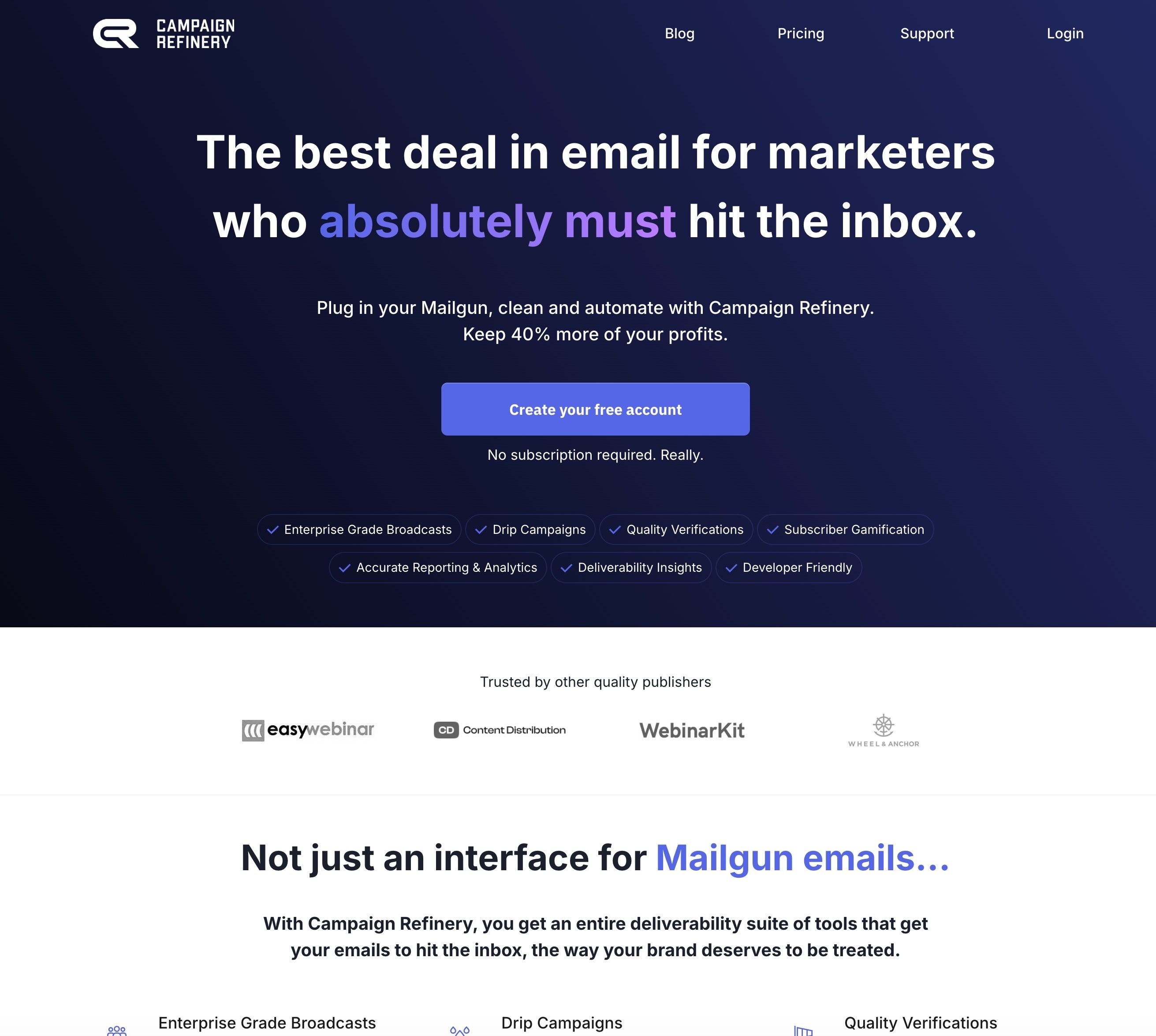
Campaign Refinery
Campaign Refinery is an advanced email marketing and automation platform that focuses on helping businesses send better emails, improve deliverability, and drive real engagement. It combines powerful automation, smart list management, and deep analytics to make email campaigns more effective and easier to manage.
Visit the productFAQ
Common questions about ai-native development
in Seattle
How fast can you start?
+
Is the price really flat?
+
Isn't this just vibe coding with extra steps?
+
Which tools do you use?
+
Who owns the code?
+
Got a question about ai-native development in Seattle?
Ask me anything.
Right now.
Real chat. Real answers from our FAQ. If I don't have a clean match, I'll email you back within a day.

Valery Satsura
CEO · Start Matter · usually replies in minutes
Hey, I'm Valery. Ask me anything about working with us from Seattle.
Also in Seattle
Other things we build for Seattle founders
Same engineer, same flat-price model, different focus. Pick the closest match.
AI-Native Development elsewhere
We ship ai-native development for founders in
See the full ai-native development overviewReady when you are
Ship ai-native development in Seattle
in 5–10 days.
30-minute call → flat-price quote in 24 hours → first deploy inside two weeks.